Overview
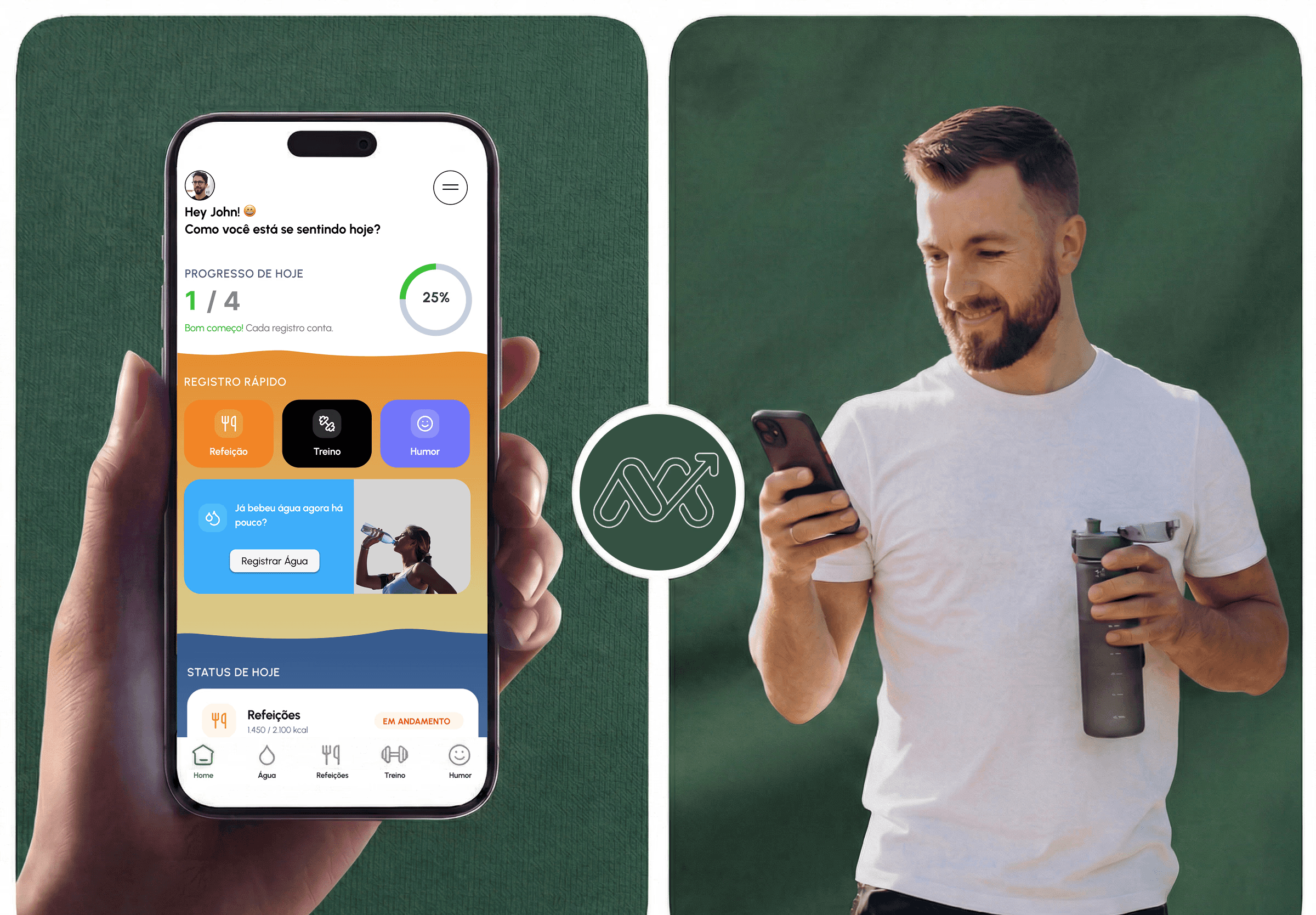
Momentum is a concept app focused on tracking and supporting daily health habits.
Unlike traditional solutions that simply organise data, the project is built around a core principle: consistency doesn’t come from information — it comes from behaviour reinforced daily.
The challenge was to design an experience that reduces friction, makes progress visible in real time, and encourages users to return and take action every day — in a simple, clear, and motivating way.
How I approached this project
Behavioral design (Fogg)Consistency comes from reinforced habit, not from data.
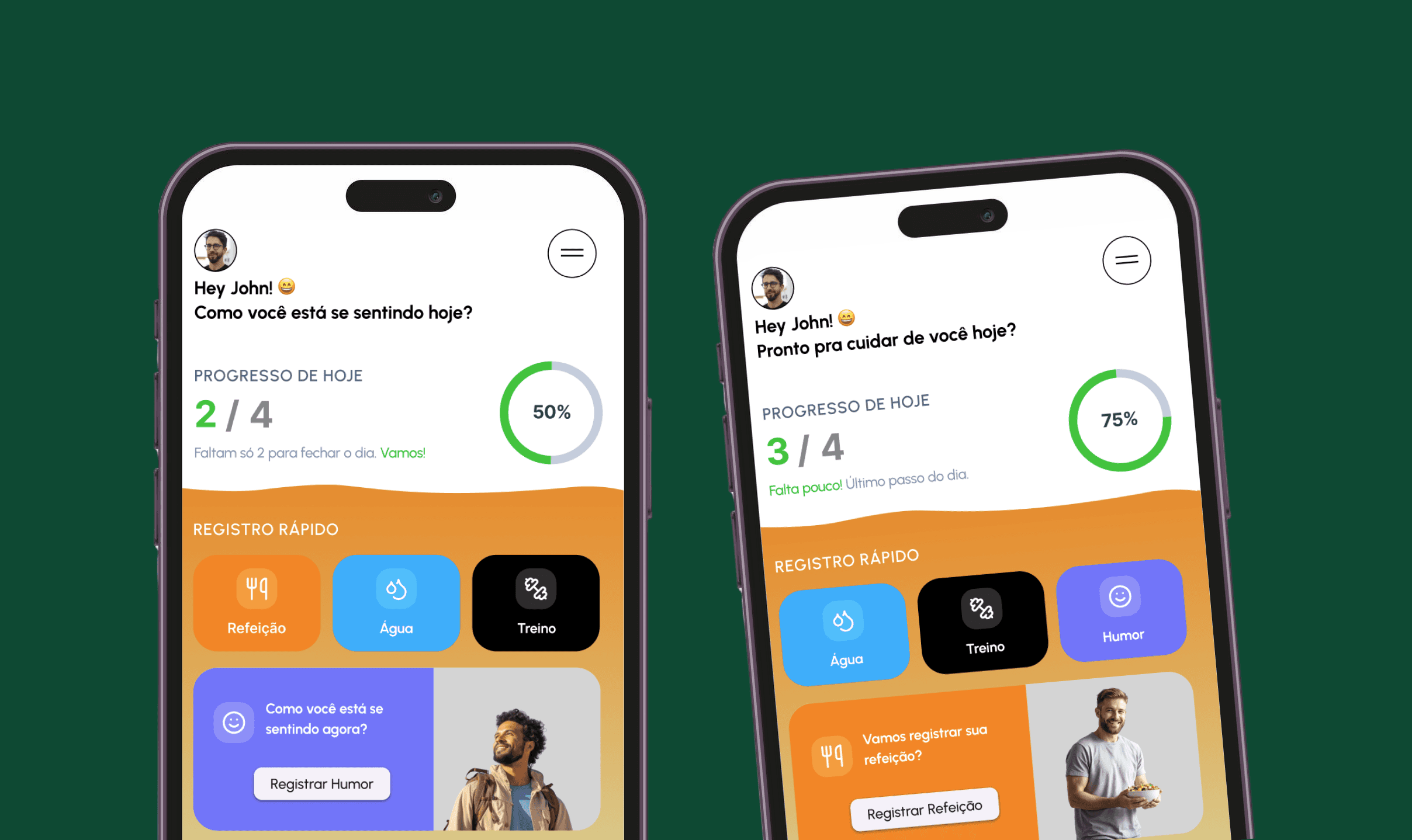
I designed for ability using the Fogg model — one-tap logging, status visible on open — and microinteractions to close the reward loop.
Challenge
The challenge wasn’t just organising multiple inputs into a single interface.
The real challenge was to:
Reduce cognitive load in a daily-use context
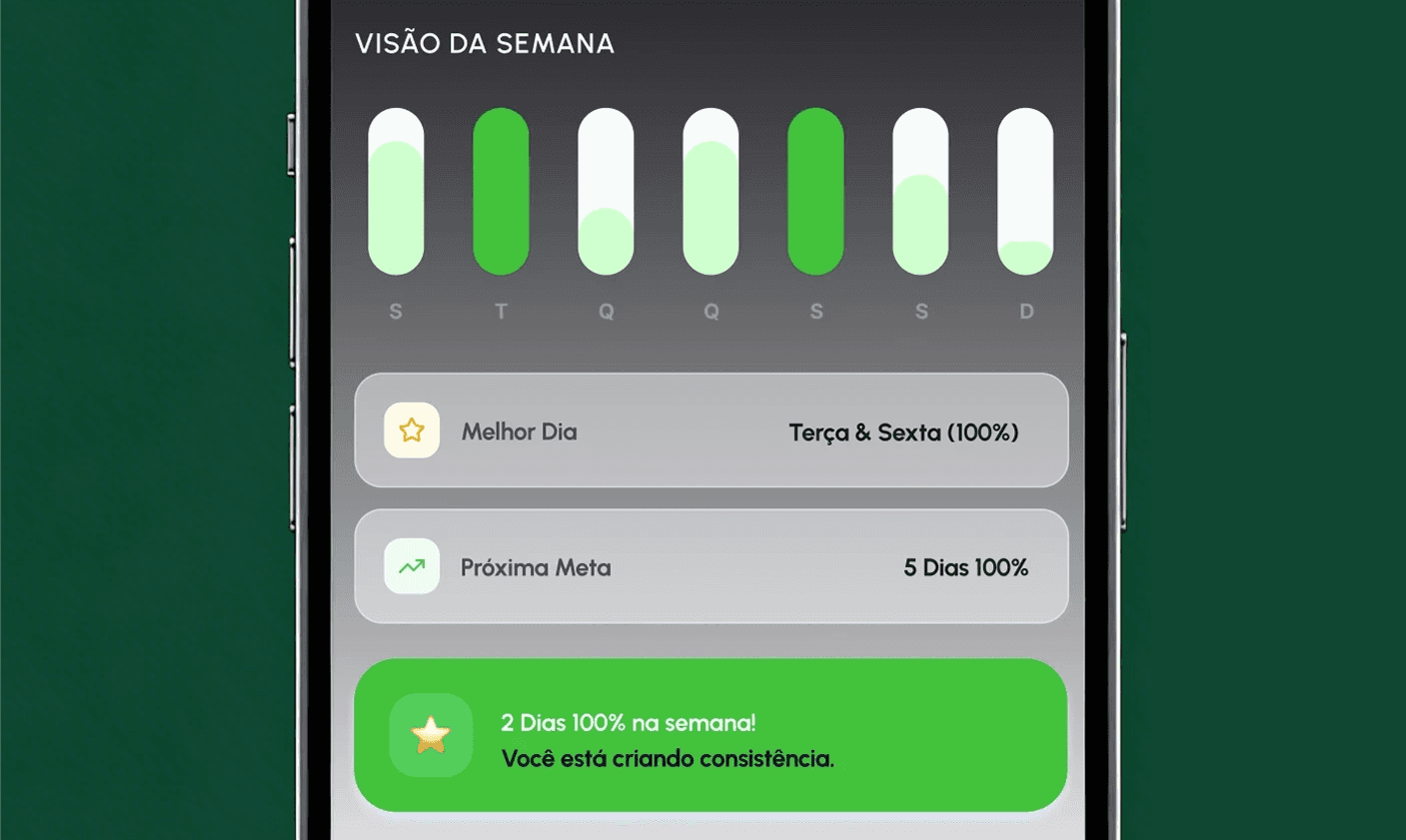
Make daily progress immediately understandable
Encourage consistency without creating fatigue or overload
Balance functionality with a light and motivating experience
My Role
I led the concept design end-to-end, including:
Defining the experience strategy and dashboard structure
Designing action-oriented flows for quick input (logging / editing)
Creating a high-fidelity interface
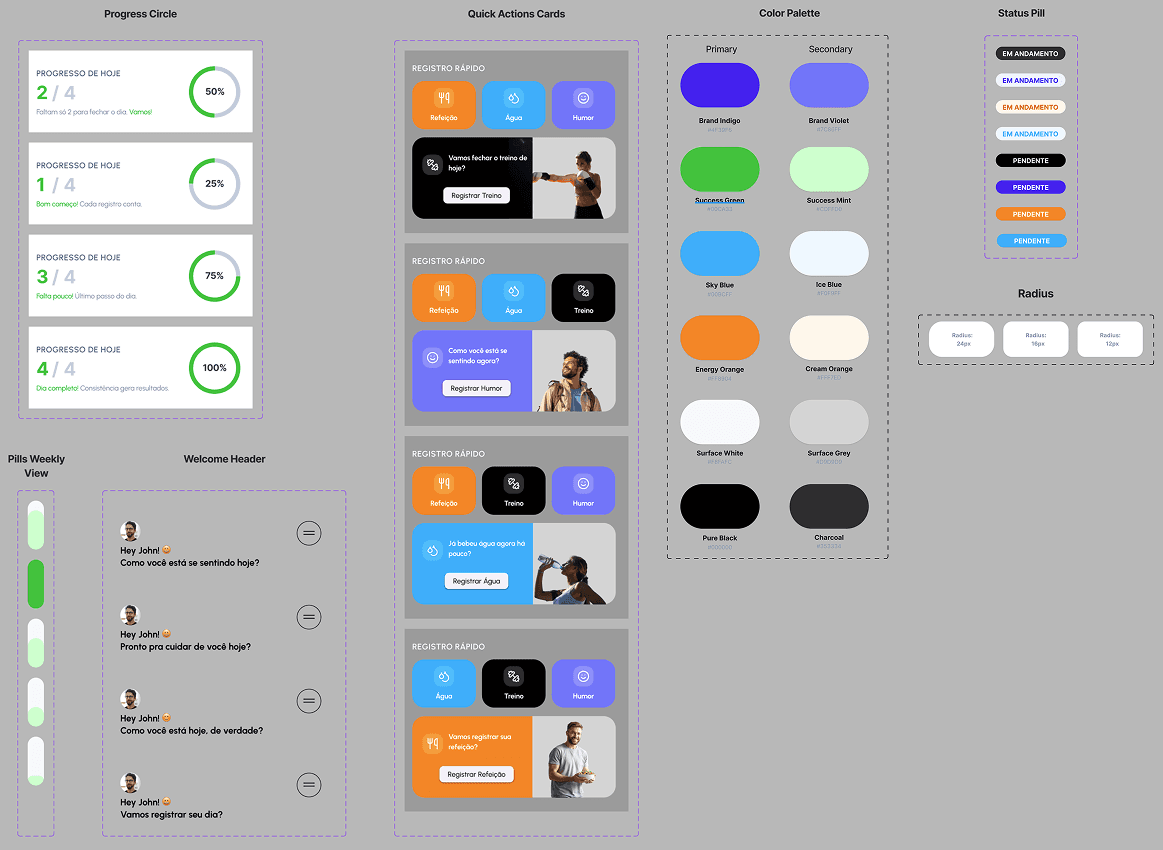
Developing a scalable mini design system
Exploring micro-interactions to reinforce behaviour
Approach
The solution was guided by behaviour-first decisions, not just interface:
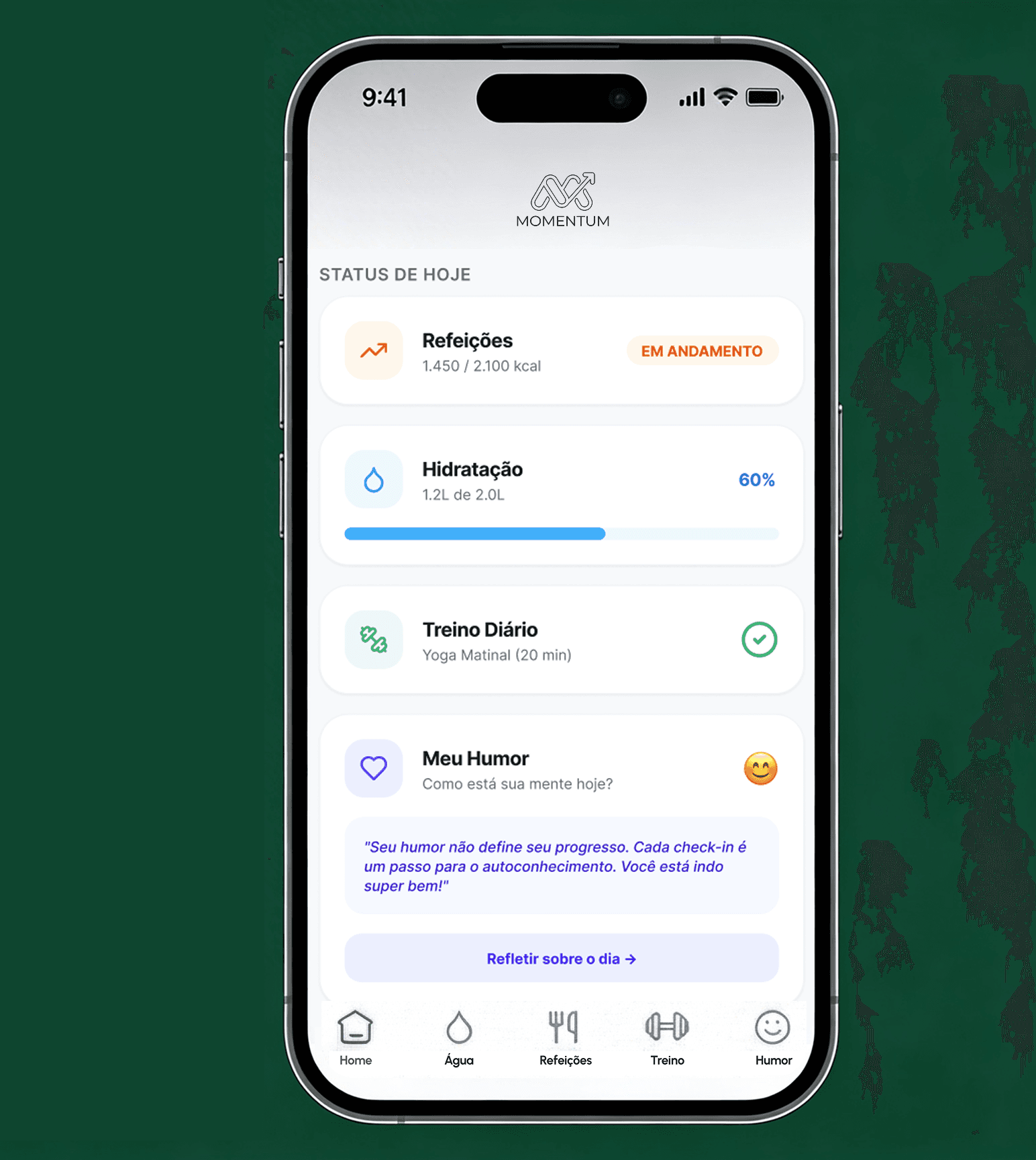
Single, prioritised dashboard
Consolidating key information into one screen to reduce mental effortQuick actions always accessible
Enabling habit tracking with minimal frictionContinuous visual feedback
Reinforcing small wins throughout the daySubtle and contextual motivation
Microcopy and UI states designed to encourage without being intrusiveScalable component system
Built to support future product expansion without losing consistency
Impact
Even as a concept, the project was structured around real-world impact:
Reduced friction in daily habit tracking
Increased clarity around progress and daily status
Encouraged consistency through immediate visual feedback
Created a scalable foundation for future product evolution